Call it Spring FW13
Company:
Aldo Shoes - Call it Spring
Year:
2014
Timeline:
1.5 months
Role:
UX/UI Interaction Designer
Call it Spring (Aldo Shoes Group) has always thrived to stay ahead of the curve with marketing strategies, brand development, and design.
overview.
Working on Call It Spring’s SS14 campaign was more than a visual refresh as it required translating a brand-led creative direction into a scalable, performance-oriented digital system that could evolve with seasonal promotions while maintaining brand consistency.
The 8-bit theme was defined collaboratively by Marketing and the Brand team. Once established, our department’s objective was to operationalize that creative direction across digital touchpoints in a way that supported both storytelling and measurable engagement.
My role focused on transforming the 8-bit campaign concept into a cohesive, adaptable e-commerce experience that balanced brand expression and dynamism with usability, responsiveness, and conversion performance across the homepage, landing pages, and promotional templates.
problem.
Although the campaign creative direction was strong, the underlying page structure created limitations for performance and scalability.
Campaign landing pages were built within a legacy CMS that restricted layout flexibility and made it difficult to optimize content hierarchy for product discovery. As the brand grew and marketing campaigns evolved, promotional calendars became more dynamic and the existing structure at this time struggled to support rapid updates.
Structural issues:
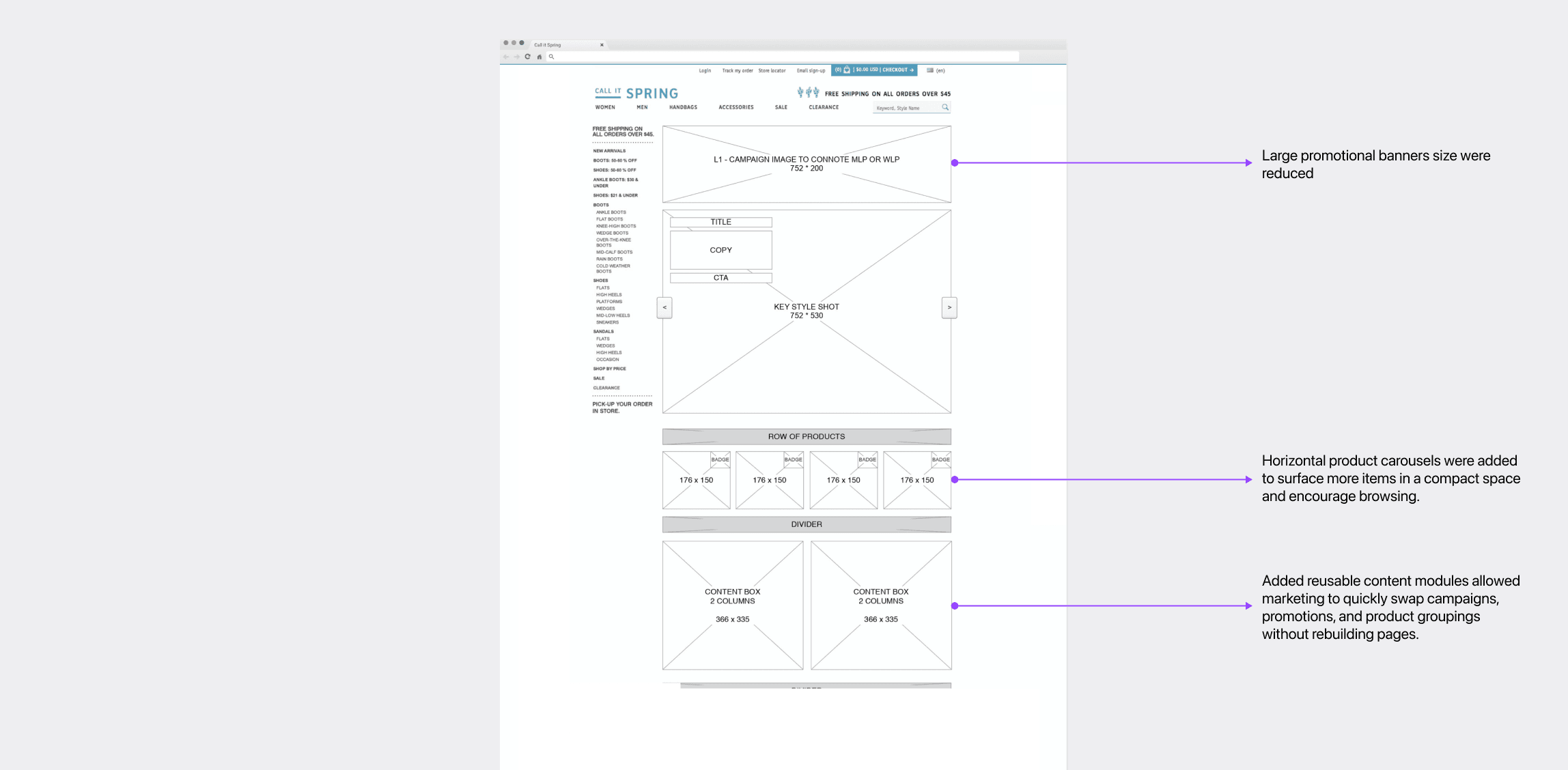
• Oversized hero sections reduced product visibility above the fold and showed fewer products.
• Call-to-action hierarchy was inconsistent across campaigns
• Layout components lacked flexibility for different promotional rotations
• Pages relied heavily on large visual blocks rather than product exploration
As a result, campaign pages prioritized visual appeal over product discoverability, creating friction for users arriving from various marketing channels.
The design challenge was to create a more flexible campaign structure that could support frequent promotional updates, improve product visibility, establish clearer interaction hierarchy, while maintaining strong visual storytelling.
target users.
Understanding our target users, young, trend-conscious individuals looking for affordable, stylish footwear, xwas foundational to our redesign.
Our goal was to create an intuitive, visually appealing experience. Leveraging CMS data, user feedback, and click analytics helped us pinpoint strengths, gaps, and improvement areas to boost engagement and sales.

research & analytics.
To understand how users interacted with campaign pages and where engagement dropped off, we analyzed a mix of quantitative and qualitative data sources, including Responsys email analytics, click-through rate data, heatmap tracking, user surveys, newsletter performance metrics, and competitive benchmarking.
Because a large portion of campaign traffic originated from email marketing, Responsys analytics helped us understand how users transitioned from email campaigns to landing pages and where engagement decreased.
This analysis revealed several patterns:
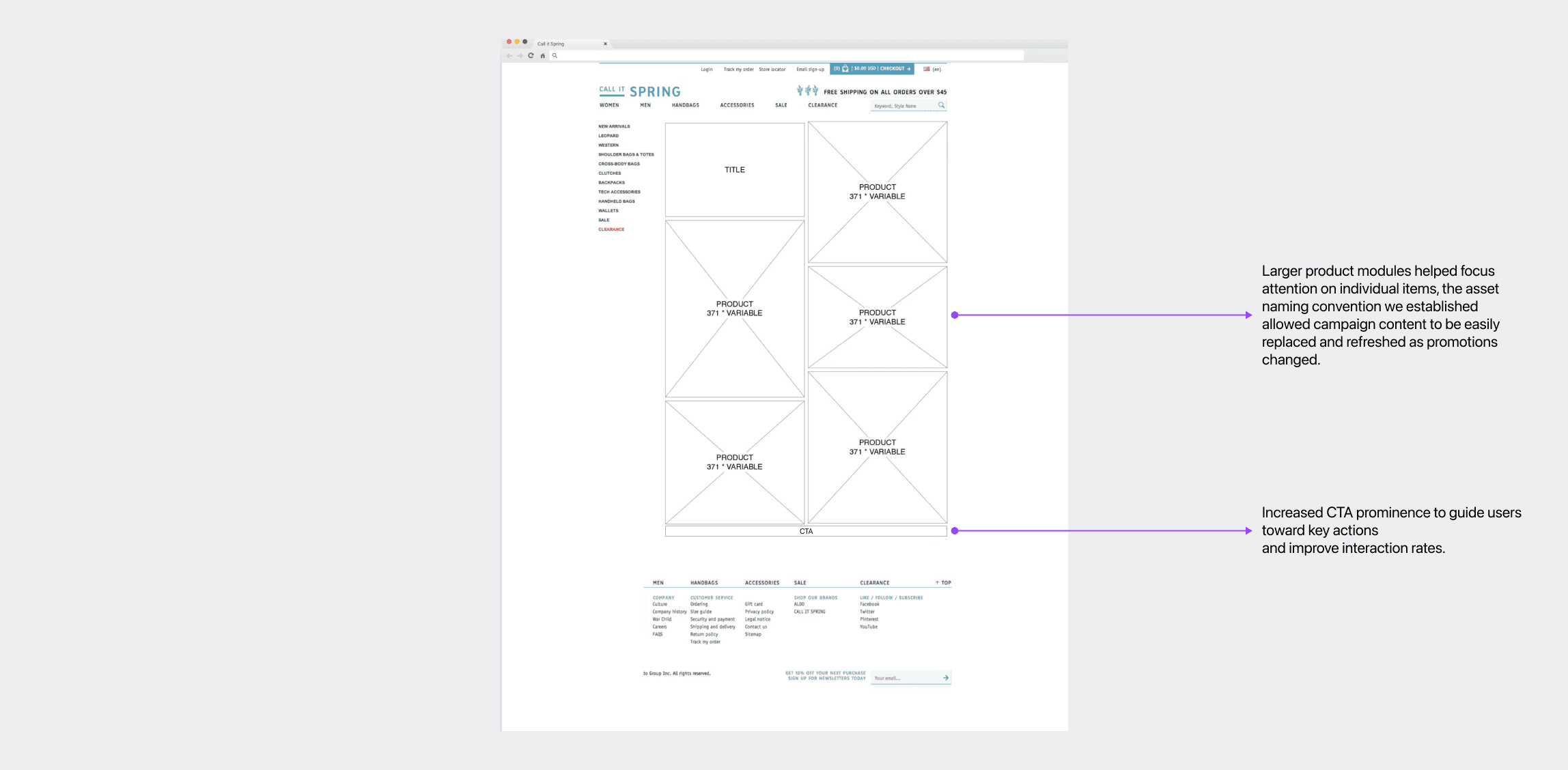
• CTA visibility strongly influenced interaction rates, particularly when separated from large hero visuals.
• Oversized hero sections reduced product discoverability, with users quickly scrolling past them to reach product grids.
• Product grid modules generated the highest engagement, outperforming editorial or purely visual sections.
• Surfacing products earlier in the layout increased browsing depth.
These insights highlighted the need to rebalance campaign layouts by reducing visual dominance and strengthening product hierarchy.
strategy.
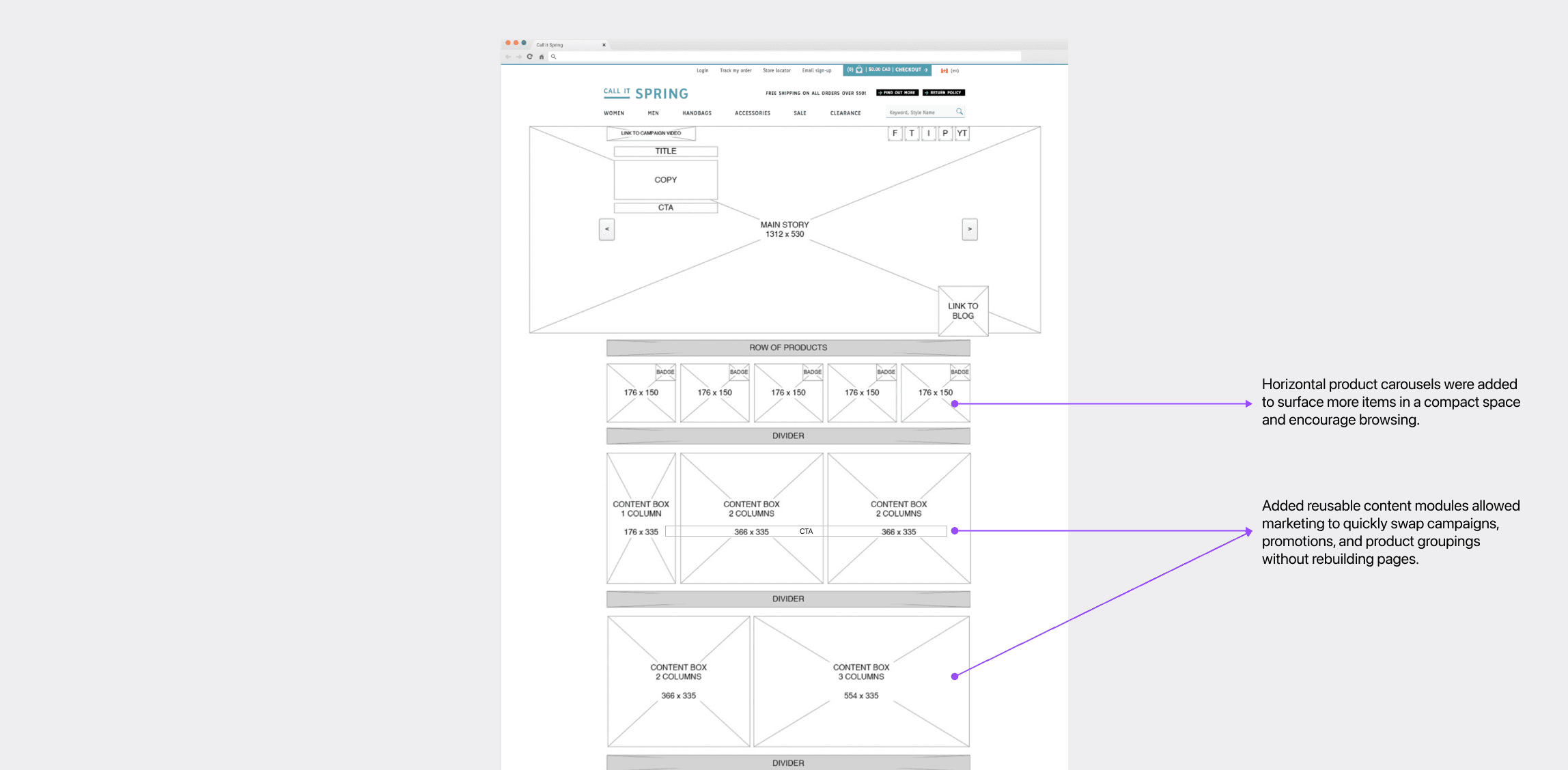
Rather than designing static campaign pages, I focused on creating a modular and reusable template framework that could evolve with the marketing calendar.
Key strategic shifts included:
• Restructuring feature sections to increase product discovery while preserving visual hierarchy
• Reusable content modules allowed marketing to quickly swap campaigns, promotions, and product groupings without rebuilding pages.
• Product highlights, and CTAs were reorganized based on click-through behaviour insights to guide users through the page more clearly.
• Large promotional banners were reduced to avoid pushing products too far below the fold.
This approach transformed campaign pages from one-off seasonal launches into a scalable system that could support ongoing marketing initiatives.
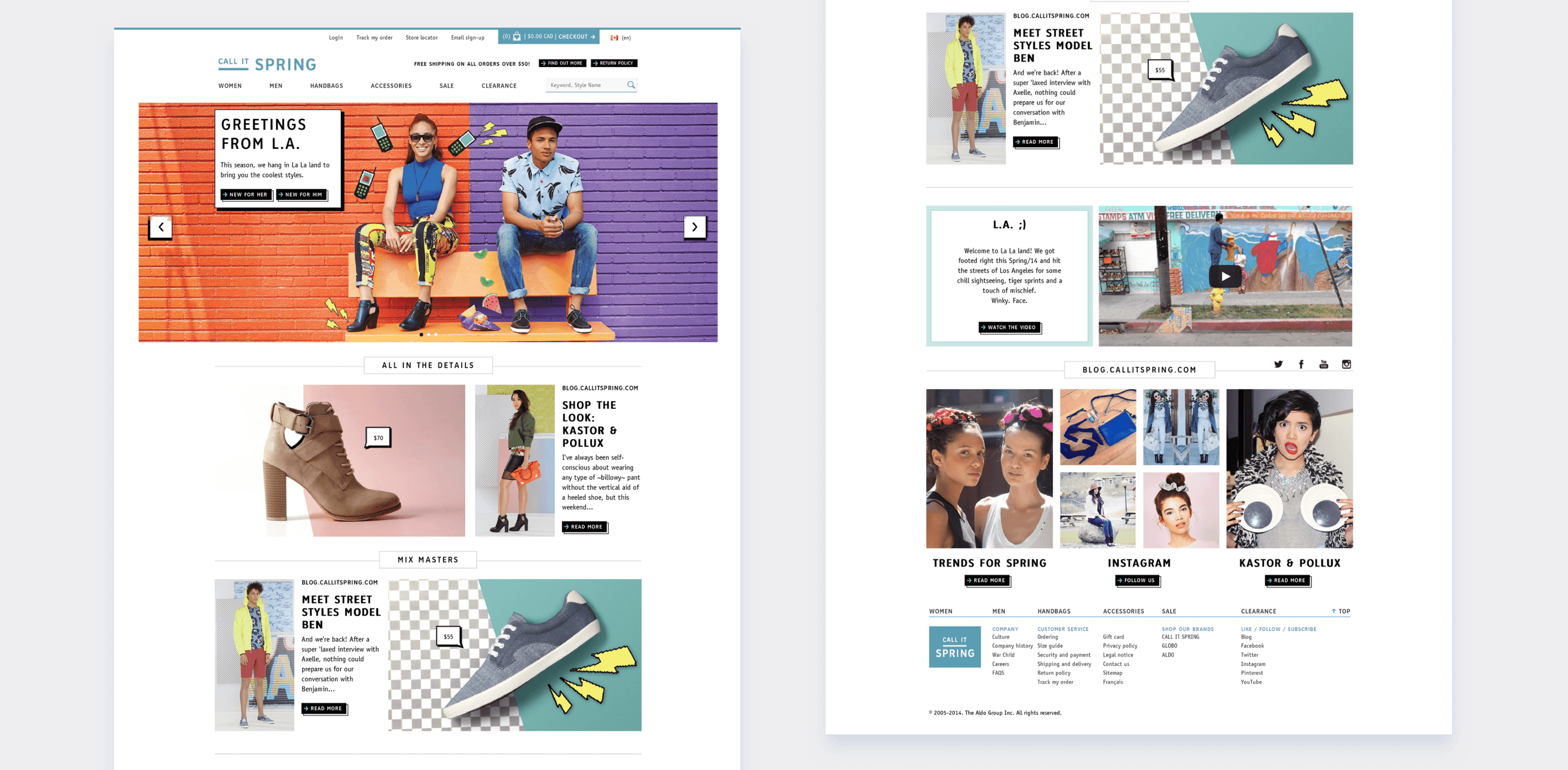
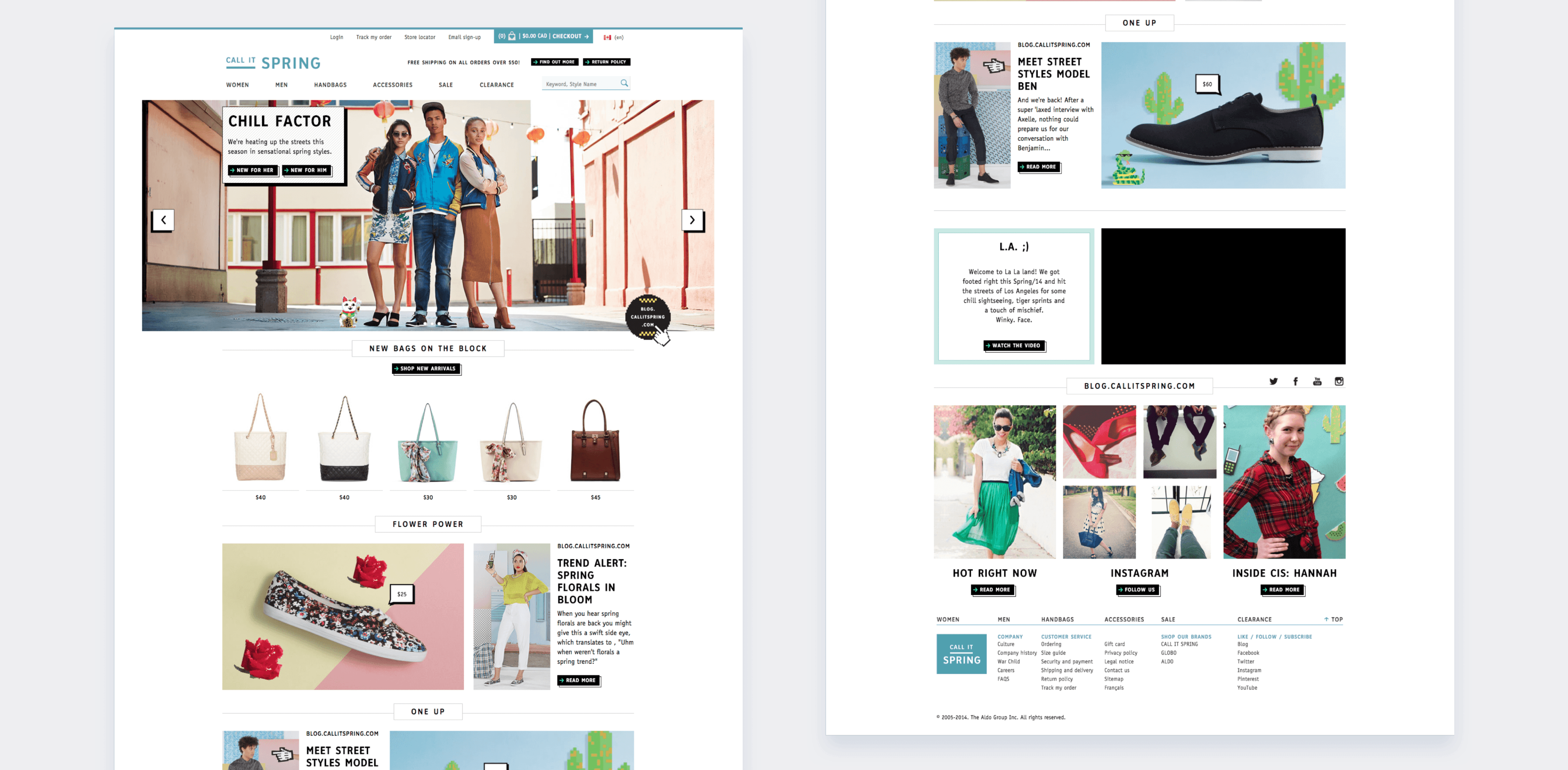
After validating early concepts, I created Axure wireframes and high-fidelity campaign templates designed for scalability and adaptability.
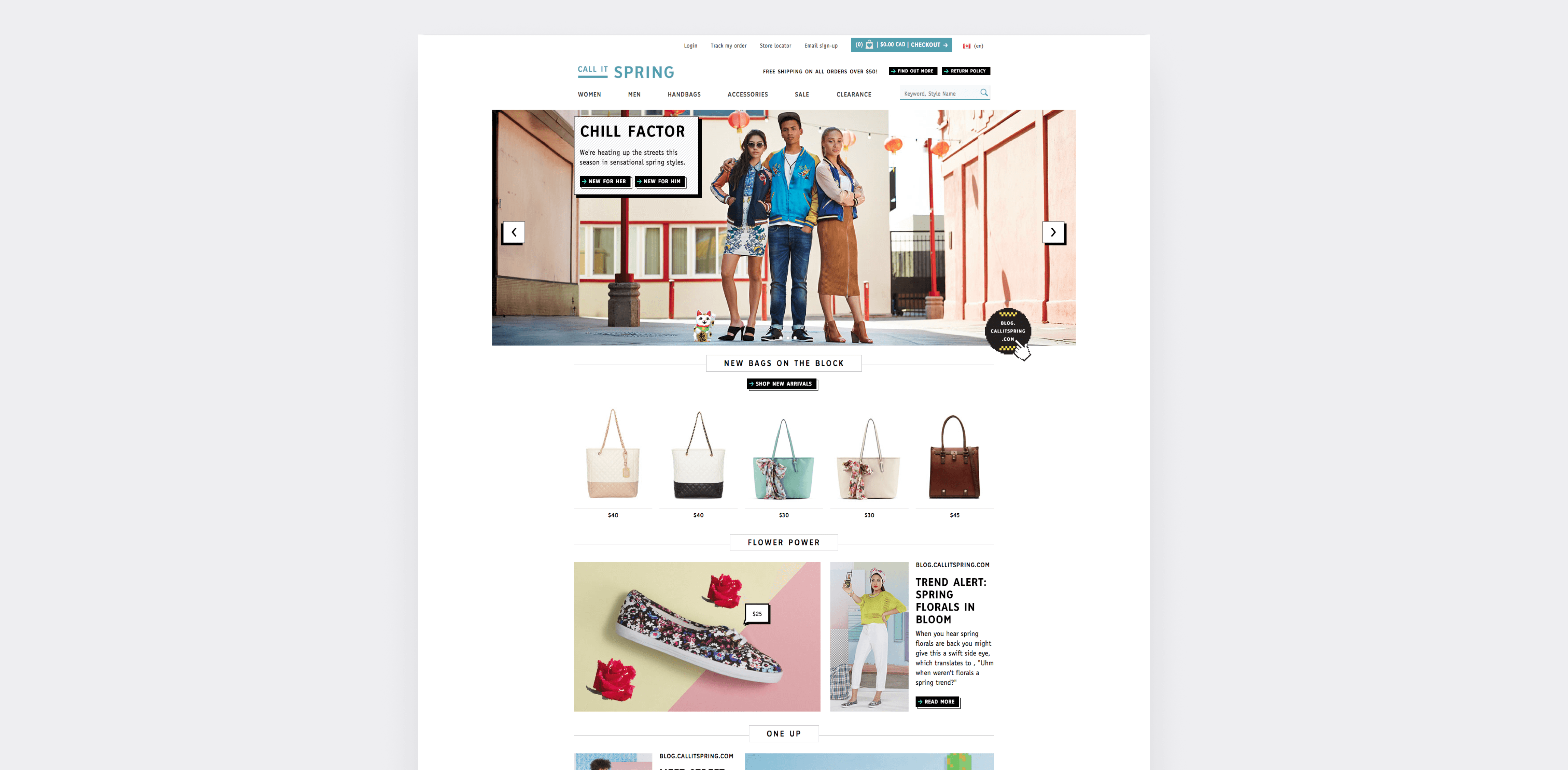
final high-fis, layout & features.
Campaign pages were developed in coordination with scheduled email launches, ensuring synchronized messaging, promotional timing, and product swaps based on the marketing calendar.
Homepage banners, feature sections, and product modules were intentionally structured to support:
Scheduled promotional rotations
Inventory-driven updates
Seasonal campaign shifts
Email traffic spikes
The pages were designed as dynamic templates capable of evolving with campaigns, demonstrating flexibility and adaptability. When products sold out, homepage banners and feature sections could be quickly updated without disrupting the layout.
To streamline updates, we also defined a consistent naming convention for campaign assets, allowing images to be automatically replaced when new promotional content was uploaded. This reduced manual intervention and ensured campaign visuals stayed aligned with the marketing calendar.
Each refresh was paired with a coordinated newsletter release, ensuring cross-channel consistency and a cohesive user experience.
visual language & interactivity.
The SS14 8-bit theme extended beyond visual styling into interaction behavior.
I translated the campaign identity into a cohesive microinteraction system, introducing:
3D-inspired button states
Subtle bounce and motion feedback
Animated transitions reinforcing CTA hierarchy
Background textures inspired by classic 8-bit patterns
Motion was treated as a functional design layer, guiding attention, reinforcing hierarchy, and enhancing engagement, rather than decorative animation.
Interaction states were standardized across templates to maintain cohesion and ensure usability across breakpoints.
All campaign templates were designed responsively to ensure clarity and consistency across:
Desktop
Tablet
Mobile
impact.
The project established a scalable, adaptable campaign framework that supported ongoing marketing initiatives beyond the initial SS14 launch:
+18% increase in engagement across seasonal landing pages (measured through time on page and click depth)
+24% improvement in promotional visibility, reflected in higher banner interaction and feature section clicks
+15% increase in CTA interaction rates across campaign pages
~30% faster campaign iteration cycles, allowing marketing teams to update homepage banners and promotional modules more efficiently
Reduced production time by ~25% through improved coordination between web and email teams using shared visual assets and templates